From the delicate, sweet and tender new season lamb to the robust hogget from slightly older animals, British lamb is the most seasonal of meats – and for many, the very best option for a stunning Sunday Roast. Here is our Cook’s Long Read to help you get the very most out of your lamb Sunday Roast.

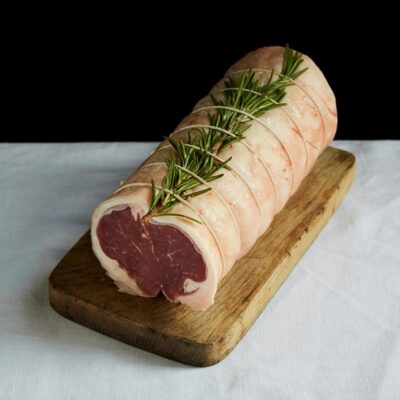
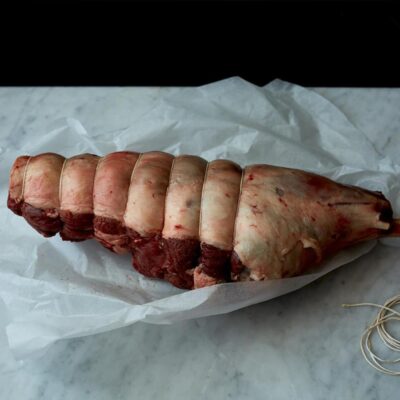
If you like to enjoy roast lamb that is blushing pink in the middle, then choose leg; a whole leg of lamb is perfect for six people, whereas a rolled saddle of around 750g will feed 2-3 people – and has a beautifully neat eye of meat with a layer of fat that will become deliciously crisp.
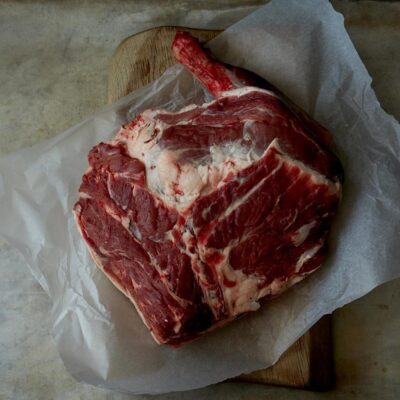
If tender, melt-in-the-mouth slow cooked lamb is more your thing, then shoulder is the joint for you – an effortless crowd pleaser that is incredibly easy to cook. A whole shoulder will serve around six people.
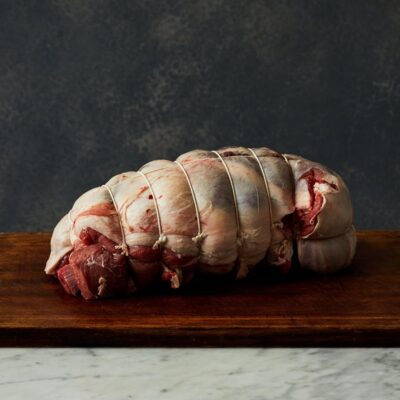
This is entirely up to you – our butchers will prepare your lamb roast however you would like it. On-the-bone is thought by some to have a slightly superior flavour and more succulence, while a rolled joint is very easy to carve and serve. When you’re opting for slowly grown, traditional breeds of British lamb, you’re guaranteed a fantastic meal either way.
There are so many simple techniques you can use to make for particularly delicious roast lamb – and we’ve included our favourites if you read on. However if you just want to get your joint in the oven, here’s our speedy lamb roasting guide.
Heat the oven to 220°C Fan / Gas Mark 7. Roast your lamb leg for 15 minutes, then turn the temperature down to 170°C Fan / Gas Mark 4 and roast for 15 minutes per 500g for blushing pink or 20 minutes per 500g for more well done. Using a meat thermometer will help you achieve a precise cook; aim for an internal temperature of 55°C for blushing pink or 65°C for well done. Rest the roast lamb leg for at least 30 minutes before carving.
Heat the oven to 200°C Fan / Gas Mark 6. Roast your lamb shoulder for 15 minutes, then turn the temperature down to 140°C Fan / Gas Mark 1 and roast for 2 to 2.5 hours for a half shoulder, 3.5 to 4 hours for a whole shoulder – until completely tender.. Rest the roast lamb shoulder for at least 30 minutes before serving.
Heat the oven to 170°C and place a large frying pan over a medium-high heat to warm. Season and sear the lamb saddle until the fat is caramelised on all sides, then roast in the oven for 12 minutes per 500g. If you have a meat thermometer to hand, it should reach 55°C for medium rare.
Lamb has bags of flavour and can handle some robust seasonings at all times of year, from masala spices to anchovy umami bombs. But British lamb is highly seasonal, so here are a few tips on what to enjoy with it at various times of the year.
New Season / Easter Lamb: During April and May, new season lamb is at its most delicate, sweet and tender as it has been reared exclusively on mother’s milk and tender spring grass shoots. For these precious few weeks, we’d encourage you to try your lamb very simply seasoned so that you can appreciate its supreme sweetness – and it is particularly fantastic with the spring produce you’ll find available such as asparagus, wild garlic, broad beans and spring cabbages.
From June to August our lambs have enjoyed plenty of good grass and so will begin to develop their bold flavours – handily, this is when lamb is at its absolute best to enjoy cooked over hot coals on the barbecue.
For your Sunday Roast, feel free to be heavy-handed with strong flavours such as rosemary, garlic and umami-rich anchovies, all of which can be inserted into the meat if you make small incisions with the tip of a sharp knife – do this the night before for the most deliciously aromatic roast.
From September to December, lamb is deeply flavoursome and will handle any flavours you’d like to throw at it – it will start to put down a bit more fat, meaning you may want to add a splash of red wine vinegar or lemon juice to a marinade to give it a bit of pep. This is a splendid time of year to enjoy lamb at its bold and gutsy best.
From January to March, you’ll be roasting hogget – mature lambs that are entering their second year of life, which is when the flavours become deep, complex and occasionally slightly gamey. We’d recommend a slow-roast at this time of year, and it’s a fantastic season to reach for your favourite vibrant curry spices.
You should always remove lamb from the fridge before roasting to bring it up to room temperature. This will take approximately 1-2 hours for a whole leg or shoulder of lamb. Putting a cold joint into a very hot oven can make the meat contract and toughen, so allowing the meat to come up to room temperature minimises this and will help you achieve a tender roast every time.
A bed of carrots, onions, and even fennel makes a superb edible trivet on which to roast your lamb – you can also choose to add whole garlic bulbs sliced across the middle.
Our founder Tim swears by roasting without additional liquid, however if you’d like to make a head start on the gravy a small glass of water, stock or wine is the thing to do – dry white wine is a surprisingly good choice for this.
Once removed from the oven, rest your lamb for at least 30 minutes before carving – this helps to ensure a particularly tender joint, while also giving you a helpful window to finish off cooking your side dishes.
Most joints of meat will rest for up to an hour if covered with foil and then a clean towel placed on top of that.
At the end of cooking, carefully pour any liquids from the roasting tray into a jug, leaving the lamb and roasting veg behind to rest. Let the jug settle for a couple of minutes, then scoop off some of the fat.
Place your roast lamb stock into a saucepan – if you feel you need more in order to have more gravy, top up with chicken or lamb stock – along with a splash of port if you have it. Place over a high heat and reduce until you reach a bold and intense flavour – this can mean reducing by up to a third or even half.
Mix 2 tsp cornflour with just enough water to form a slurry, then pour into your simmering lamb stock and stir well until thickened.
Once you’ve reached a glossy, smooth gravy, taste and add whatever you feel it needs; possibly a little salt, perhaps even a spoonful of redcurrant jelly for sweetness and acidity.
Roast leg of lamb with Pecorino Sardo, a wonderful recipe from our Moxon Street neighbours La Fromagerie.
Lamb Shoulder Boulangère, a stunningly simple recipe from our latest cookery book, One Pot.
Slow-roast lamb shoulder with fresh herbs, blood orange and pink peppercorns by Adele Ursitti
Stuffed & Rolled Saddle of Lamb with a wild garlic pesto by James Strawbridge, or our herby, pickled onion-stuffed rolled saddle for something delicious fresh and tangy.